You’ll find Japan’s nail art scene revolutionizing fingertip fashion with five standout trends. Kawaii 3D designs transform nails into miniature sculptures featuring beloved mascots and food replicas. Glass nail art creates shattered crystal illusions using holographic films. Itadakimasu nails showcase hyper-realistic culinary motifs from ramen to sushi. Negative space wa-patterns blend traditional Japanese symbols with modern minimalism. Chrome powder aurora nails deliver mesmerizing color-shifting effects. These techniques range from salon-exclusive to DIY-friendly options.
Key Takeaways
- Kawaii 3D nail art features tiny sculpted mascots and miniature food replicas rising several millimeters above the nail surface
- Glass nail art creates shattered crystal illusions using cellophane or holographic film for depth without bulk
- Itadakimasu nails showcase miniature culinary motifs like ramen, sushi, and takoyaki using hand-painting and 3D gel sculpting
- Negative space wa-patterns reinterpret traditional Japanese motifs like sakura and seigaiha with minimalist, contemporary negative space techniques
- Chrome powder aurora nails produce holographic, color-shifting gradients by rubbing ultra-fine chrome powder onto tacky gel polish
Kawaii 3D Nail Art: Miniature Sculptures at Your Fingertips
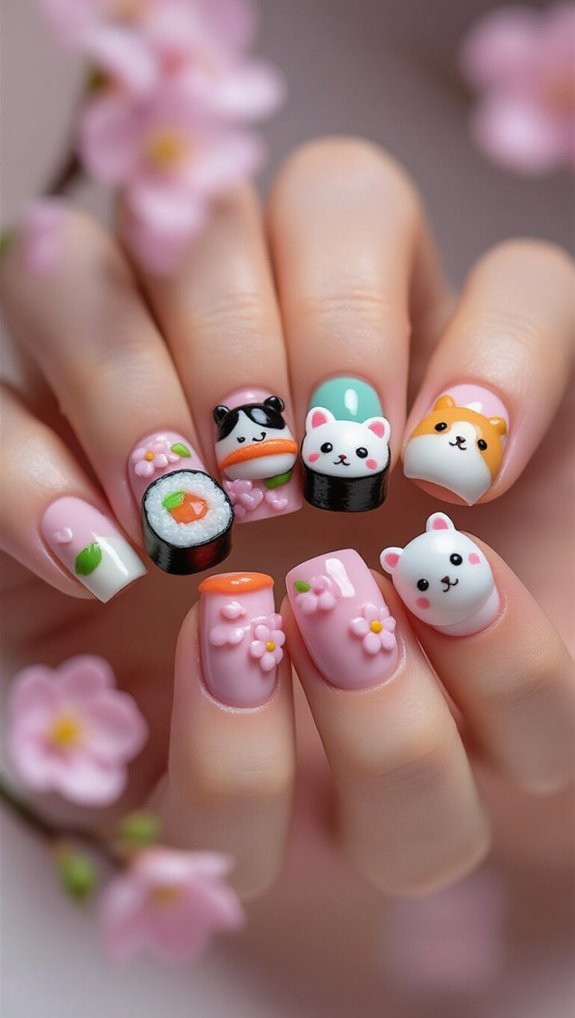
Japanese nail artists consistently transform fingertips into miniature art galleries through kawaii 3D nail art, a technique that builds tiny sculptures directly onto the nail surface.
You’ll discover this trend features everything from miniature mascots like Hello Kitty and Rilakkuma to intricate food replicas and seasonal motifs.
Artists use specialized gel products and polymer charms to create dimensional designs that rise several millimeters above your nail bed.
You can achieve simpler versions at home using pre-made embellishments and nail glue, though professional applications involve hand-sculpting with acrylic powder.
The technique’s gained massive popularity because it lets you carry personalized art wherever you go.
Your nails become conversation starters featuring beloved characters or themes that reflect your personality.
While these designs aren’t practical for everyday wear, they’re perfect for special occasions when you want to showcase Japanese nail artistry’s playful creativity.
Glass Nail Art: The Crystal-Clear Trend Taking Over Tokyo
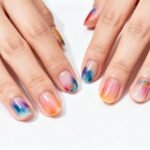
Moving from three-dimensional designs to transparent sophistication, glass nail art creates the illusion of shattered crystal fragments embedded in your manicure.
You’ll achieve this stunning effect using special cellophane sheets or holographic film cut into irregular shapes that mimic mirror shards. The technique originated in Seoul but quickly spread to Tokyo’s trendiest salons.
Here’s what makes glass nails irresistible:
- Creates depth without bulk on your natural nails
- Catches light from every angle for maximum sparkle
- Works with any base color you choose
- Combines beautifully with translucent ombré effects
- Lasts longer than traditional glitter applications
You can request full coverage for dramatic impact or scatter pieces sparingly for subtle elegance.
Japanese nail artists often layer the fragments over nude or pastel bases, letting the glass pieces become the focal point.
They’ll seal everything with a high-shine topcoat that amplifies the crystalline effect you’re after.
Itadakimasu Nails: Food-Inspired Designs That Look Good Enough to Eat
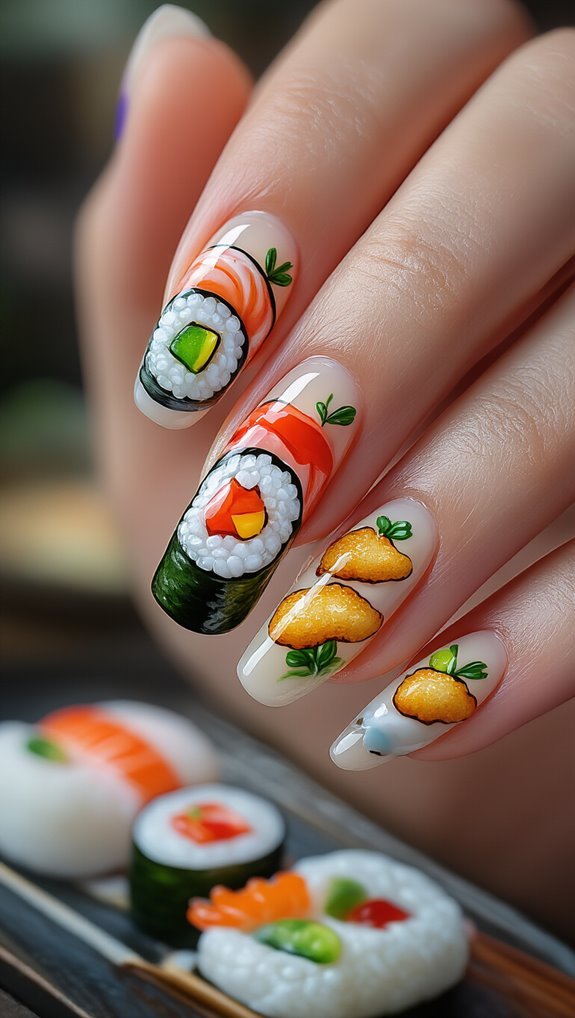
Food-inspired nail art frequently transforms your fingertips into miniature culinary masterpieces that celebrate Japan’s beloved dishes and treats.
You’ll find intricate designs featuring everything from ramen bowls to takoyaki, each detail meticulously hand-painted or sculpted using 3D gel techniques.
Miniature sushi designs remain the most requested style, with artists creating realistic nigiri, maki rolls, and even tiny wasabi dollops on accent nails.
You can choose subtle approaches like salmon-pink ombre representing sashimi or go bold with full sets depicting entire omakase spreads.
Bento patterns offer another popular option, arranging kawaii rice balls, tamagoyaki, and vegetables in grid-like compositions across your nails.
Japanese nail technicians use specialized tools including ultra-fine brushes and sculpting gels to achieve these edible-looking results.
They’ll often incorporate glossy topcoats that mimic sauce glazes or add dimensional elements like sesame seed textures.
These designs typically last three to four weeks with proper care.
Negative Space Wa-Patterns: Traditional Japanese Motifs Meet Modern Minimalism
While traditional Japanese patterns have decorated textiles for centuries, today’s nail artists reimagine these classic wa-patterns through strategic negative space techniques that blend heritage with contemporary design. You’ll discover how empty space becomes part of the art itself, creating sophisticated looks that honor wa pattern symbolism while embracing modern aesthetics.
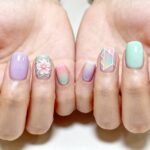
These designs transform your nails into miniature canvases where less truly becomes more. The minimalist kimono influence shines through delicate line work and purposeful gaps that let your natural nail peek through.
Popular negative space wa-patterns include:
- Asanoha (hemp leaf) – geometric stars symbolizing growth
- Seigaiha (wave crests) – overlapping circles representing tranquility
- Sakura silhouettes – cherry blossom outlines for spring elegance
- Shippo (seven treasures) – interlocking circles meaning harmony
- Kikkō (tortoise shell) – hexagonal shapes promising longevity
You can achieve these looks using thin brushes, nail vinyls, or stamping plates, making intricate patterns surprisingly accessible for home manicures.
Chrome Powder Aurora Nails: The Holographic Shimmer Effect Japan Perfected
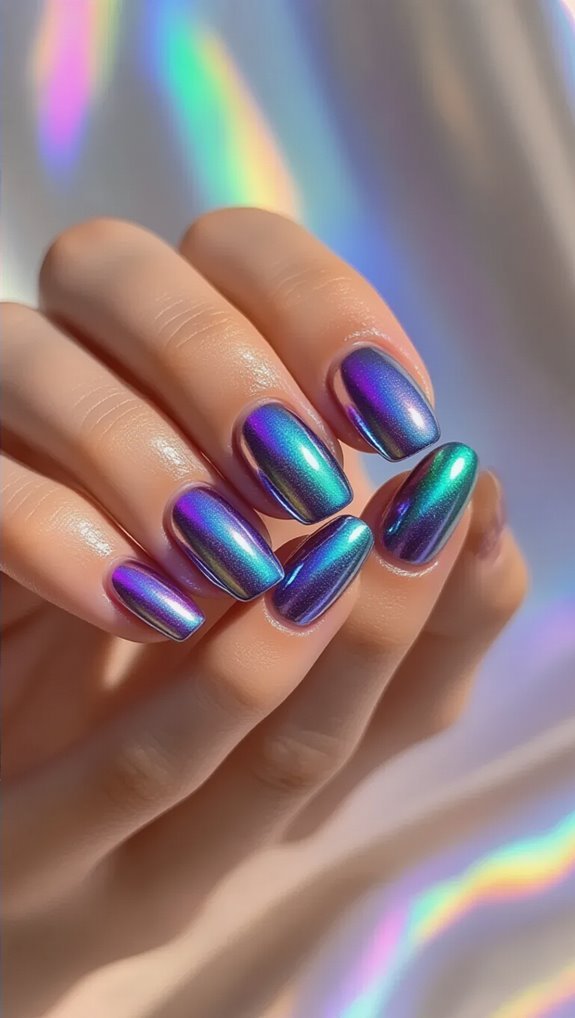
When Japanese nail technicians first introduced chrome powder techniques to the beauty world, they revolutionized how we perceive nail shimmer and dimension. You’ll achieve the coveted aurora effect by rubbing ultra-fine metallic pigments onto tacky gel polish, creating an otherworldly holographic gradient that shifts between colors as light hits your nails.
The technique requires specific products and precise application:
| Essential Items | Purpose |
|---|---|
| Chrome powder | Creates metallic finish |
| Silicone applicator | Ensures even distribution |
| No-wipe top coat | Provides tacky base |
| Mirror flakies | Adds depth and sparkle |
You’re working with nanometer-sized particles that bond to the gel’s surface, producing that signature Japanese aurora look. Start with darker base colors for dramatic effects, or choose pastels for subtle iridescence. The key’s in your rubbing technique—use circular motions until you’ve achieved complete coverage. Seal everything with a quality top coat to protect your holographic masterpiece from chipping.
Frequently Asked Questions
How Much Do Japanese Nail Art Services Typically Cost at Salons?
You’ll typically pay between ¥3,000 to ¥15,000 ($20-$100) for Japanese nail art services at salons, depending on the design’s complexity and salon location.
Basic gel manicures with simple art start around ¥3,000, while elaborate 3D designs or character art can exceed ¥10,000.
You don’t need to tip in Japan since it’s not part of their tipping etiquette – the price you’re quoted includes excellent service, and offering tips might actually offend your technician.
Can These Intricate Nail Designs Be Removed Without Damaging Natural Nails?
Yes, you can remove these intricate designs safely with proper gentle removal techniques. You’ll want to soak your nails in acetone for 10-15 minutes, then gently push off the softened product. Don’t force or peel anything off.
Professional removal at a salon ensures optimal nail health protection. They’ll use specialized tools and conditioning treatments afterward. With patience and the right approach, you’ll maintain strong, healthy natural nails underneath.
How Long Does Japanese Nail Art Usually Last Before Needing Touch-Ups?
You’ll typically enjoy Japanese nail art for 2-3 weeks before needing touch-ups, though gel-based designs can last up to 4 weeks.
Your daily wearability depends on the intricacy level and your lifestyle activities. If you’re following seasonal trends with 3D elements or delicate details, expect slightly shorter wear time.
You’ll notice lifting around edges first, especially with elaborate designs. Regular top coat applications between appointments can extend your art’s longevity.
Are There Specific Nail Shapes That Work Best for Japanese Art Styles?
You’ll find that oval and almond elegance shapes work best for Japanese nail art styles. These softer, rounded forms provide the perfect canvas for intricate designs like delicate florals and kawaii characters.
The tapered tips of almond-shaped nails especially complement 3D embellishments and gradient effects. Square-oval combinations also suit Japanese aesthetics well, offering enough surface area for detailed artwork while maintaining the refined, feminine look that’s characteristic of Japanese nail trends.
Which Japanese Nail Art Brands or Products Should Beginners Start With?
You’ll want to start with affordable brands like Canmake and Pa Nail Collective for quality Japanese gel polishes that won’t break your budget.
Look for starter kits from brands like Presto or Leafgel that include essential tools, base coats, and popular colors.
DHC and Daiso offer budget-friendly nail stickers and decorations perfect for beginners.
These products give you authentic Japanese nail art results while you’re learning techniques without major investment.
Conclusion
You’ve discovered five incredible nail art trends that showcase Japan’s innovative beauty culture. Whether you’re drawn to adorable 3D sculptures, sleek glass effects, playful food designs, minimalist wa-patterns, or dazzling chrome auroras, there’s a Japanese nail trend that’ll transform your manicure game. Don’t be afraid to experiment with these techniques—start simple and work your way up to more complex designs. Your nails are tiny canvases waiting for their next Japanese-inspired masterpiece.